Skip To Content

Frequently Asked Questions

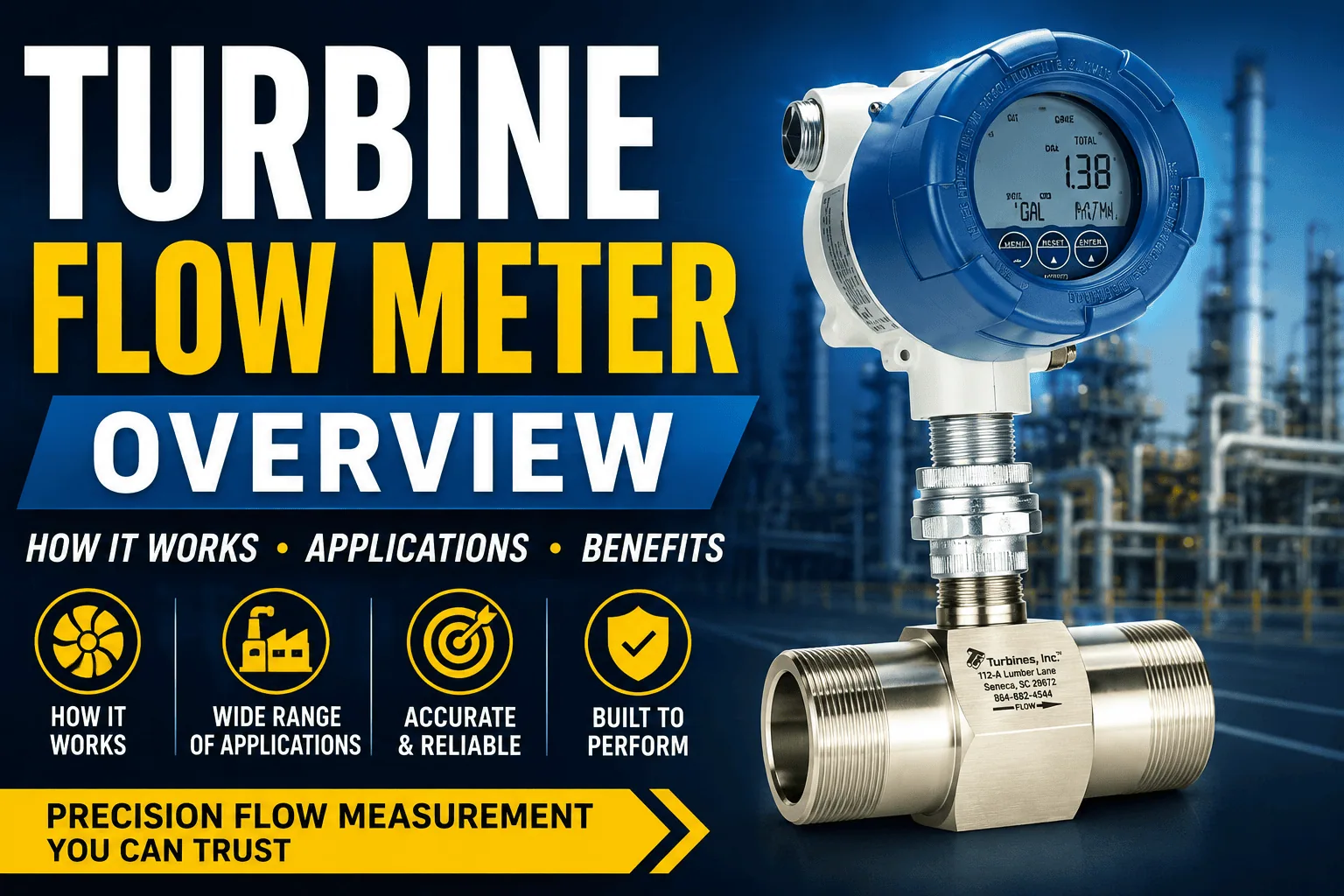
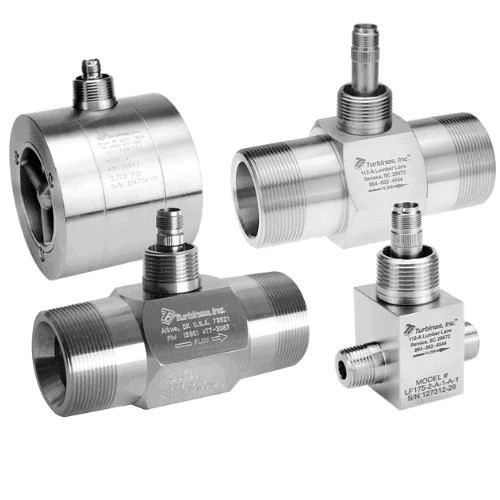
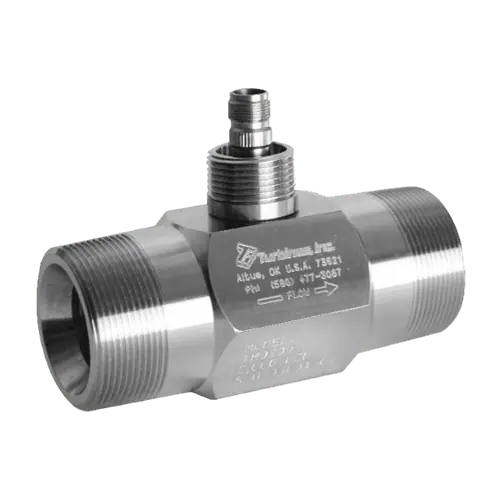
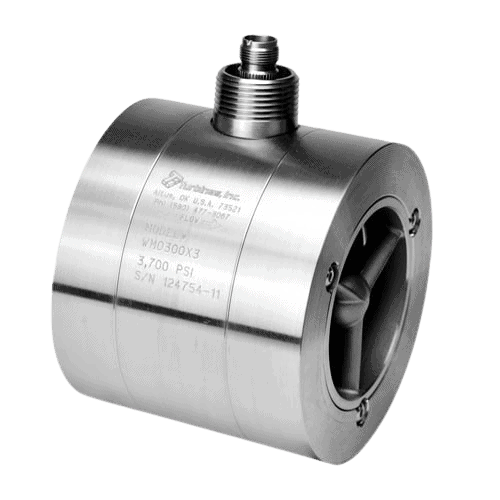
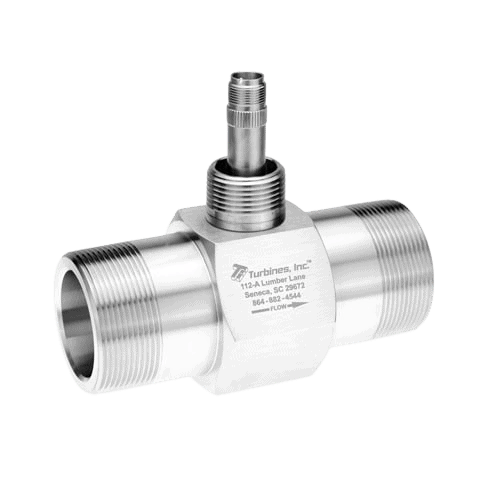
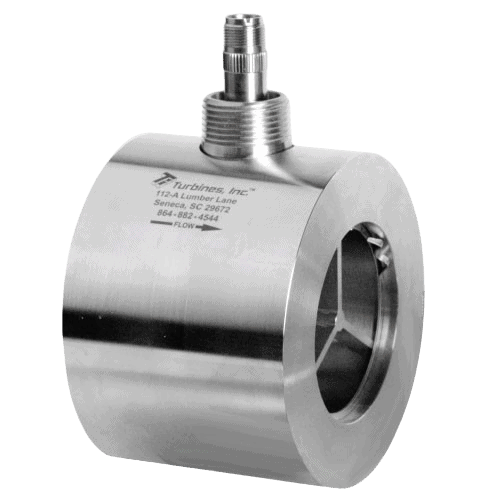
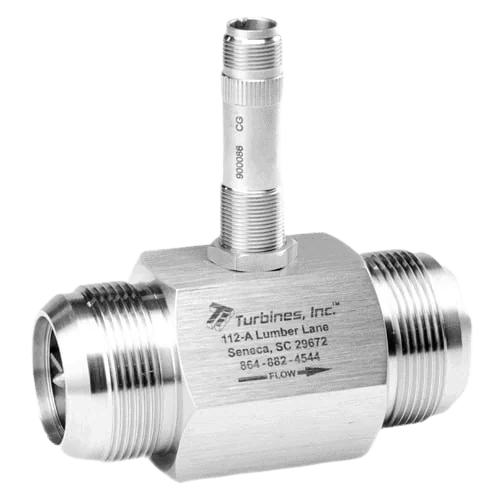
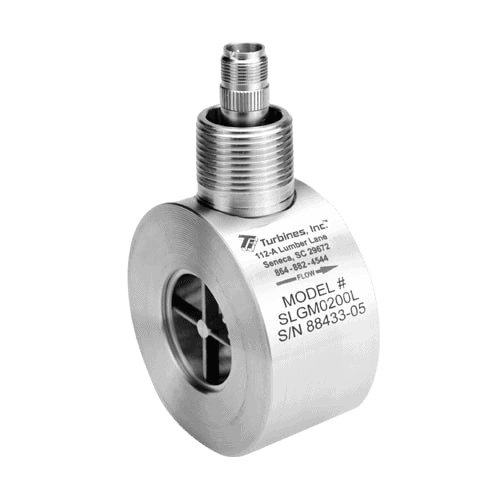
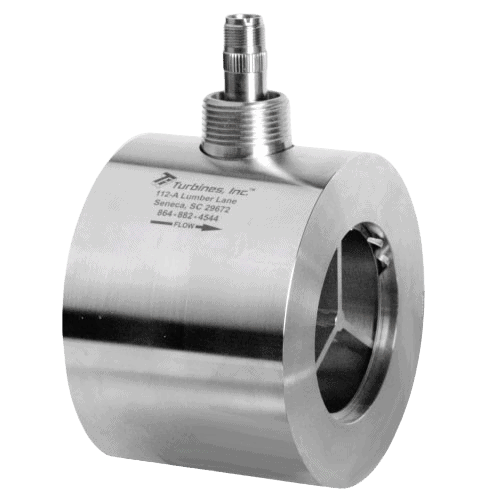
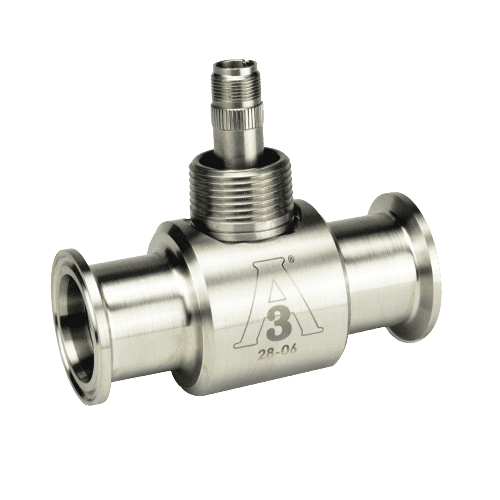
A turbine flow meter measures flow by using a rotor or turbine wheel that spins as fluid or gas passes through it. The rotational speed of the turbine is proportional to the velocity of the fluid. Sensors, often magnetic or optical, detect the turbine’s rotation, and this data is converted into a flow rate.

Turbine flow meters can measure a wide range of fluids and gases, including water, oil, chemicals, natural gas, and other clean, low-viscosity fluids. However, they are not ideal for slurries, highly viscous liquids, or fluids with debris that can damage the turbine blades.

Turbine flow meters should be regularly cleaned to prevent debris buildup, especially in applications with potential contaminants. Routine maintenance includes:

  • Bearing Inspection and Replacement: Bearings can wear out and affect the turbine’s rotation.
  • Calibration: Periodic calibration using a known reference standard ensures accuracy over time. Calibration can be done on-site or sent to specialized facilities, depending on the application and criticality.

  • High Accuracy: Typically accurate within ±0.5% to ±1% of the reading.
  • Wide Range of Flow Rates: Can measure from very low to high flow rates.
  • Cost-Effective: Generally affordable compared to other flow meters.
  • Good for Clean Fluids: Ideal for applications with clean, low-viscosity fluids.
  • Fast Response Time: Provides near real-time flow data.

Turbine flow meters measure clean, low-viscosity fluids like water, fuels, oils, chemicals, gases (natural gas, hydrogen), cryogenics, and pharmaceutical or food-grade liquids, with materials tailored for specific applications.

Turbine flow meters are made from durable materials like stainless steel (316 SS), aluminum, bronze, or nickel alloys to resist corrosion and wear. Seals and bearings often use materials such as tungsten carbide, PTFE, or ceramic for enhanced durability and compatibility.

Yes, we offer a variety of temperature and pressure sensors that can be used with our meters such as PT100 or PT1000.

Common Applications For Turbine Flow Meters

Low Viscosity Fluids
Gases
Cryogenics
low viscocity liquid

Low Viscosity Fluids

Low-viscosity fluids flow easily with minimal resistance, making them ideal for fast transfer and accurate measurement. Common examples include water, gasoline, alcohols, solvents, and many light hydrocarbons used in industrial processes.

gases for flow rate

Gases

Gases are highly compressible fluids that expand to fill available space and flow freely through pipelines and process systems. Common industrial gases include air, natural gas, nitrogen, oxygen, carbon dioxide, and helium.

cryogenics

Cryogenics

Cryogenic fluids are liquefied gases stored and transported at extremely low temperatures, often below -150°C (-238°F). Common examples include liquid nitrogen, liquid oxygen, liquid argon, and liquefied natural gas (LNG), which are used in industrial processing, energy, aerospace, medical, and scientific applications.

Need To See More Flow Meters?

View All Flow Meter Technologies

Need help finding a flow meter?

We can help guide you to the correct solution for your business needs, whether you are looking for product information, data sheets, repair information we are available to help!

Our Network of Companies